

Denver is the gateway to the Mountain West and serves as the primary distribution hub for Colorado, Utah, Wyoming, and the surrounding region. Freight from the Texas border, from California ports, and from Midwest manufacturing all routes through Denver on its way to Mountain West markets. Dry van, reefer, and flatbed capacity is in consistent demand here, and carriers based in Denver don't have to go far to find freight — they just need the right shipper relationships. Cargobot provides that access directly.
What Cargobot brings to Denver carriers
Denver serves as the primary distribution hub for a region that stretches from the Front Range to the Pacific Northwest, and freight from every direction needs to move through it. Cross-border produce from Texas and Arizona, port containers from Los Angeles, and manufactured goods from the Midwest all route through Denver on their way to Mountain West markets. Shippers who move that freight consistently want carrier relationships they can plan around. Cargobot builds those connections.
The Mountain West's geography creates natural lane asymmetries that can work against carriers who don't plan their operations carefully. Freight moves heavily into the region but not always out in equal volume. Cargobot works with shippers on both directions of Denver's lanes so carriers can build round-trip operations that minimize deadhead and make Denver positioning economically viable year-round.
Denver carriers who run I-70 eastbound have direct access to Kansas City and beyond. I-25 north goes to Wyoming and Montana. I-25 south connects to Albuquerque and El Paso. I-70 west runs toward Salt Lake City. Cargobot connects Denver carriers with shippers whose freight moves naturally on those corridors so carriers have consistent lane options in every direction from their home market.
Get a quote for your freight
+88
YEARS IN BUSINESS
2
PRESENCE IN NORTH AMERICA & EUROPE
30,000+
PRE-SCREENED CARRIERS
500+
CLIENTS
5
YEARS RECOGNIZED AS TOP TECH STARTUP
Why Carriers Choose Cargobot for Freight Loads in Denver
Key Features
- Primary distribution hub for the Mountain West — Denver receives cross-border freight from Texas and Arizona border crossings moving north, port freight from LA moving east, and Midwest manufacturing output moving west. Shippers who distribute through Denver need reliable carrier capacity on consistent lanes. Cargobot connects them with registered carriers before loads reach a board.
- Reefer demand from produce and food distribution in the Mountain West — Fresh produce from Nogales and the Rio Grande Valley routes through Denver on its way to Colorado, Utah, and Wyoming. Cargobot connects Denver reefer carriers with the importers and distributors managing those flows directly.
- I-25 north-south lane access toward Wyoming and New Mexico — The I-25 corridor gives Denver carriers direct northbound access toward Cheyenne and Billings and southbound access toward Albuquerque and El Paso. Cargobot works with shippers whose freight moves on those lanes.
- I-70 east-west access toward Kansas City and Salt Lake City — The I-70 corridor through Denver is one of the Mountain West's most active freight lanes, running eastbound toward Kansas City and westbound toward Salt Lake City. Cargobot connects carriers with shippers whose freight moves on those corridors.
- Dry van coverage for consumer goods distribution across Colorado and the surrounding states — Denver's distribution network serves Colorado, Utah, Wyoming, and parts of Montana and Idaho. Cargobot works with those shippers and matches them with carriers who have equipment available.
- Flatbed access to construction materials for Colorado's active building market — Colorado's construction sector generates consistent flatbed demand for structural materials, equipment, and building supplies. Cargobot works with those shippers and matches them with qualified flatbed carriers in the Denver market.
- Lane symmetry strategies that reduce deadhead — The Mountain West's freight flows can create lane imbalances for carriers who don't plan their operations carefully. Cargobot works with shippers on multiple lane directions out of Denver so registered carriers have options that minimize empty miles.
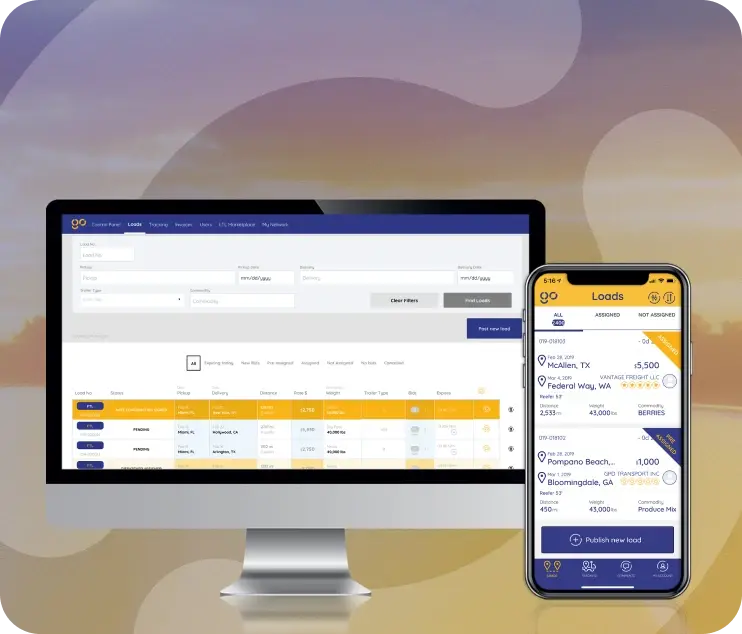
Who uses Cargobot PTL
Industries and roles

Logistics directors & transportation managers
- Consolidate partial truckload shipments with full route visibility and proactive control.
- Streamline operations while reducing freight spend on mid‑size loads.
- Ensure on‑time delivery windows and improve service performance across your network.

Importers/Exporters with high-volume lanes
- Flexible PTL capacity for mid‑scale or multi‑stop shipments.
- Connect directly with vetted, high‑performing carriers experienced in cross‑border PTL.
- Optimize freight across complex domestic and international supply chains.

Growing manufacturers and distributors
- Scalable PTL freight solutions to support seasonal demand and business expansion.
- Secure, on‑schedule delivery for inventory replenishment and production flow.
- Simplified logistics management with direct access to reliable carriers via our platform.

Agricultural producers & cold chain managers
- Temperature‑controlled PTL options for perishables and sensitive goods.
- Food‑grade compliant handling with certified carrier partnerships.
- Maintain product quality with specialized tracking from origin to destination.

Retailers with national warehouse networks
- Centralized PTL distribution connecting regional and national warehouse hubs.
- Real‑time inventory movement tracking and proactive restocking.
- Cost‑efficient PTL shipping for high‑velocity retail supply chains.
21 Steps to Simplified Freight
Post your lane
Set your route, timeline and target rate
1
Receive offers
From vetted carriers nationwide
2
Confirm & schedule
Get tracking updates, and documentation all-in-one platform
3
Bonus: A freight agent will assist you throughout the process, from quoting and booking to delivery and dispute resolution.
Talk to an expertWhat freight moves through Denver?
Cross-border produce and food products from Texas and Arizona moving into the Mountain West. Fresh produce from Nogales and the Rio Grande Valley routes through Denver on its way to Colorado, Utah, and Wyoming grocery networks. Denver reefer carriers access this northbound cross-border flow consistently.
Consumer goods and retail merchandise for Mountain West distribution. Denver's distribution infrastructure serves retail networks across Colorado, Utah, Wyoming, and parts of Montana and Idaho, generating substantial outbound dry van freight on regional lanes.
Construction materials for Colorado's active building market. Denver's construction sector generates consistent flatbed demand for structural steel, lumber, concrete products, and equipment serving residential and commercial projects across the Front Range and surrounding region.
Food and beverage products for Colorado and Mountain West distribution. Denver's food distribution network serves grocery chains and food service operators across the Mountain West, generating reefer and dry van demand on regional lanes running in multiple directions.
Chosen by leading logistics managers throughout the U.S.

"Reliable to broker to work with! Communication is great, always there to help! Looking forward doing business with these guys!"
Alex Stellar Carriers
"I've been working with Cargobot for over 2 years. Rates are always super competitive, and the customer service is great. I would recommend them to anyone looking for a quality company to handle their freight needs."
Thomas Haught
"We have done multiple shipments with Cargobot and we are impressed with their excellent rates and professionalism. Daniela and her team are helpful every step of the way with the quoting, shipping, and tracking process. Ship with them with confidence!"
Nathan Moradi
"I have been using Cargobot for 8 months. They have an excellent team led by Daniela Lezcano! I have enjoyed the willingness of their IT team to allow me to weigh in on the customization of the tool. It is a one stop shopping tool for all your transportation needs."
Derek Nolen
"CARGOBOT is an epitome of true professionalism. We work with Derick and Laura and they both give a Five-star service. They follow each load from loading to delivery and each time it’s a smooth process. Rates are always lower than other companies and they are prompt to respond to any question. Working with them gives you a piece of mind. I will highly recommend them for any freight related matters."
International Golden Foods
Verified, compliant, secure


Real-world freight, real savings
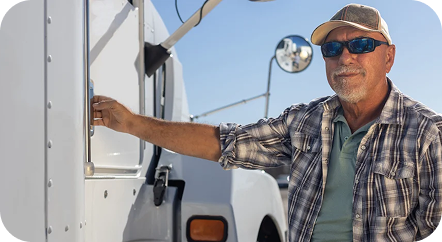
National distributor automated carrier selection and reduced booking time by 50%.

Auto parts manufacturer scaled fleet capacity without hiring brokers.
Freight service coverage across key U.S. cities

Atlanta is a Southeast U.S. freight corridor, ideal for PTL ground shipping. Cargobot’s supply chain visibility, fast booking, secure transport, and flexible partial truckload options serve Atlanta’s major warehouse districts and logistics parks.
Chicago sits at America’s freight crossroads, perfect for PTL ground shipping through logistics parks and warehouse districts. Cargobot streamlines partial truckloads with flexible booking, supply chain visibility, dedicated agents, and minimal handling, keeping shipments secure and delivery times short.
Dallas is a Texas leader in logistics, with PTL solutions optimizing moves in large warehouse districts and freight corridors. Cargobot delivers partial truckload flexibility, supply chain transparency, secure booking, and dedicated local agents, supporting mid-sized shipments across Dallas’ top logistics zones.
Eagle Pass, TX, a key cross-border logistics zone, is perfect for PTL ground shipping. Cargobot offers supply chain transparency, secure and flexible transport, and rapid booking for partial truckload shipments in local warehouse districts.
El Paso bridges the U.S.-Mexico freight corridor, ideal for PTL partial truckloads. Cargobot provides tech-driven booking, supply chain visibility, secure transport, and flexible options through border warehouse districts and logistics parks.
Houston, with its vast logistics parks, thrives as a PTL powerhouse. Cargobot ensures tech-enabled booking, real-time supply chain visibility, and secure transport for mid-sized shipments, making ground freight shipping efficient and flexible throughout Houston’s industrial zones and warehouse districts.
Laredo’s trade bridges make it vital for PTL and cross-border partial truckloads. Cargobot offers swift supply chain visibility, secure and flexible PTL booking, and direct transport for shipments in key warehouse districts and freight corridors.
Los Angeles anchors a West Coast freight corridor, ideal for PTL trucking through expansive logistics parks and warehouse districts. Cargobot offers technology-backed, direct shipping for partial loads, supply chain visibility, flexible booking, and dedicated agent support for secure, damage-minimized freight across LA’s busiest industrial zones.
McAllen’s dynamic logistics zone is a gateway for PTL ground freight shipping. Cargobot delivers efficient, secure partial truckload transport, dedicated service, supply chain visibility, and rapid bookings through major warehouse districts and freight corridors.
Memphis, TN, is a central freight corridor where PTL shipping supports warehouse districts and logistics parks. Cargobot offers supply chain transparency, fast booking, secure, flexible transport, and dedicated support for partial truckloads.
Nogales, AZ is vital for U.S.-Mexico partial truckloads and warehouse districts. Cargobot’s PTL services deliver supply chain transparency, technology-backed booking, secure ground transport, and flexible solutions through major logistics parks and corridors.
Otay Mesa, San Diego’s trade gateway, stands out for PTL ground freight shipping. Rely on Cargobot’s supply chain transparency, dedicated agents, and secure, flexible partial truckload transport for major warehouse districts and logistics parks.
San Antonio is a crossroads for ground freight shipping along major highways, where partial truckload solutions shine. Cargobot empowers shippers with PTL services featuring fast booking, supply chain visibility, secure transport, and flexible options catering to the city’s logistics parks and industrial zones.
Carriers with available trucks in Brownsville can register with Cargobot to access consistent freight loads moving through the Valley's eastern gateway.
Carriers operating in Del Rio can register their trucks with Cargobot and get matched with shippers moving freight through the Ciudad Acuña crossing.
Carriers with available trucks in Pharr can register their capacity with Cargobot and get direct access to freight loads from the Valley's dedicated commercial crossing.
Carriers operating in Douglas can register their capacity with Cargobot and get matched with shippers moving freight through the Agua Prieta corridor.
Carriers with available equipment in Phoenix can register their capacity with Cargobot and get matched with shippers moving freight through the Southwest distribution network.
Carriers with available equipment in Denver can register their capacity with Cargobot and get matched with shippers moving freight through the Mountain West distribution network.
Carriers with trucks available in Kansas City can register their capacity with Cargobot and get matched with shippers moving freight through the central Midwest network.
Freight services available in major Mexican cities
Guanajuato’s logistics parks and warehouse districts support dynamic ground freight shipping. Cargobot’s secure, efficient LTL, PTL, FTL trucking combines real-time tracking and expert brokerage for top supply chain performance.
Hidalgo’s strategic logistics parks and highway access fuel ground freight operations. With Cargobot, shippers gain dedicated support, tech-enabled real-time visibility, and secure LTL, PTL, FTL trucking for optimized corridor transport.
Jalisco’s logistics parks and industrial zones anchor ground shipping in Western Mexico. Cargobot offers secure, fast, and flexible LTL, PTL, FTL trucking—plus real-time tracking and expert freight brokerage—for supply chains.
Mexico City’s vast industrial zones and central freight corridors support high-volume ground freight movements. Cargobot brings reliable LTL, PTL, and FTL trucking, tailored brokerage, and technology-driven visibility for shippers navigating the capital’s complex logistics network.
Tamaulipas drives Mexico’s cross-border ground freight via major trade bridges and corridors. Cargobot enhances trucking with comprehensive LTL, PTL, FTL solutions, real-time visibility, and dedicated logistics support.
Monterrey’s industrial zones and trade corridors anchor Northern Mexico’s manufacturing and ground freight shipping. Cargobot’s tech-driven platform offers secure, flexible LTL, PTL, and FTL trucking alongside dedicated support and shipment visibility for this booming logistics region.
Puebla’s logistics parks and supply chain corridors make it a prime ground freight center. Cargobot optimizes LTL, PTL, and FTL trucking with fast booking, expert brokerage, and supply chain visibility—streamlining warehouse and industrial shipping in this strategic region.
Querétaro’s industrial zones and logistics corridors are crucial to Mexico’s ground freight network. Cargobot’s flexible, fast LTL, PTL, FTL trucking, powered by tech and expert brokerage, keeps supply chains moving.
San Luis Potosí’s industrial parks and logistics corridors make it a vital ground freight hub. Cargobot streamlines LTL, PTL, and FTL trucking with technology, fast booking, and supply chain visibility for efficient operations.
Frequently asked questions — Freight carriers in Denver
Why is Denver the primary distribution hub for the Mountain West?
Geography and infrastructure. Denver sits at the eastern edge of the Rocky Mountains where the Great Plains transition to the high country, making it the natural gateway between the interior of the country and the Mountain West markets of Colorado, Utah, Wyoming, and beyond. I-70, I-25, and I-76 all converge here, connecting Denver to Kansas City, Albuquerque, Cheyenne, and Salt Lake City. Freight moving from the Texas border, from California ports, or from Midwest manufacturing all routes through Denver to reach Mountain West distribution points. There's no viable bypass — Denver is the hub by geography.
What equipment types see the most consistent demand in Denver?
Dry van is the primary category for consumer goods distribution throughout Colorado and the surrounding Mountain West states. Reefer has consistent demand from produce redistribution from Nogales and the Texas border crossings, plus food distribution throughout the Mountain West. Flatbed runs consistently for Colorado's active construction market and the region's energy sector, which generates equipment and pipe freight that has no equivalent in most other markets. All three categories run year-round with seasonal variation in produce reefer during peak months.
How does Mountain West distribution work for carriers based in Denver?
Denver carriers serve a multi-state region that includes Colorado, Utah, Wyoming, Montana, and parts of Idaho and New Mexico. Distribution runs from Denver often go northbound on I-25 toward Cheyenne and Billings, westbound on I-70 toward Grand Junction and Salt Lake City, and southbound toward Albuquerque. The Mountain West's dispersed population means distribution runs are often longer than in denser eastern markets, but the freight demand is consistent because Denver is the only viable hub for the region.
How does the energy sector generate freight for carriers in Denver?
Colorado's oil and gas industry in the DJ Basin and the Wattenberg Field generates consistent flatbed demand for pipe, drilling equipment, construction materials, and industrial supplies moving to production sites across northeastern Colorado. That freight category is specific to Denver's energy economy and doesn't have an equivalent in most U.S. markets. Flatbed carriers in Denver who develop energy sector shipper relationships access a consistent freight category that runs regardless of what consumer goods and food distribution sectors are doing.
What are the best round-trip lane strategies for Denver carriers?
East on I-70 toward Kansas City and then south toward Dallas or north toward Chicago. That gives Denver carriers access to cross-border freight redistribution that is moving north from Texas without needing to go to the border themselves. West on I-70 toward Salt Lake City with consumer goods and food products for Mountain West distribution. South on I-25 toward Albuquerque and El Paso, connecting into the Texas border freight network. North on I-25 toward Cheyenne and Montana markets. All four directions generate freight in both directions for carriers who establish the right shipper relationships.
Does Denver generate enough freight to support a full carrier operation without running outside the Mountain West?
For dry van carriers focused on regional distribution within Colorado and surrounding states, the answer is yes with some qualification — volume is lower than in major coastal or central markets and rates reflect that. For carriers willing to run I-70 eastbound to Kansas City or I-25 southbound to Albuquerque and El Paso, Denver becomes a much stronger base because access to Texas border freight and Midwest distribution dramatically expands available load options. Cargobot works with shippers across all these corridors so registered carriers have options beyond just the Mountain West regional lanes.
What documentation do carriers need to work with Cargobot in Denver?
Active MC authority, FMCSA-compliant insurance, and a Cargobot operating agreement. For loads involving produce redistribution from Nogales or Texas border crossings, the freight has already cleared customs and FDA prior notice, so carriers handling the domestic leg in Denver don't need cross-border documentation. For loads involving fresh produce, FSMA compliance and proper temperature management are operational requirements. For energy sector loads, carriers need to be familiar with hazardous materials requirements that apply to certain oilfield freight categories.
